


Obstetrics & Gynaecology

Home

Speciality

Obstetrics & Gynaecology

The Obstetrics & Gynaecology Department of SIMS caters to patients from Hapur, neighbouring towns and the surrounding villages. The cases include routine antenatal visits, complicated deliveries and gynaecology surgeries. The department stays busy through the day and night.

There are about 150 beds, spread across the labour room, antenatal ward, postnatal ward, and gynaecology ward. Because patients come from both cities and villages, the type of cases seen here is quite varied. MBBS and MS students posted here get real exposure, not just theory.

Treatment here goes by current medical guidelines. Faculty also conduct research papers and studies alongside their regular clinical work.

Key Differentiators

Large and Diverse Patient Flow

One of the biggest strengths of the department is the variety of cases it deals with on a daily basis. Patients come not only from Hapur town but also from the nearby villages and neighbouring districts. Consequently, they handle everything from normal pregnancies to critical high risk obstetric conditions. The large number of patients provides the department with good clinical exposure and practical experience in management of various maternal and gynaecological problems.
 

Treatment Free by Government Schemes

The department is registered under Ayushman Bharat (PM-JAY) and other government health care schemes. Eligible patients can be treated without financial burden. This is especially important for families in rural areas who might otherwise delay treatment due to the cost. Many deliveries, surgeries and emergency procedures are carried out under these schemes, which helps patients to access timely medical care.

24-Hour Emergency Obstetric Care

The department is open 24 hours a day, 7 days a week because pregnancy emergencies can occur at any time. In the labour rooms, the emergency operating theatres , the ICU spaces, and the blood bank support, the specialist teams are still up 24/7, basically round the clock. Whether it is sudden heavy bleeding or obstructed labour or severe hypertension during pregnancy or emergency C-section, immediate care is available without delay.
 

Immediate Multidisciplinary Backup in Case of Complication

Complex deliveries often need the support of several departments at the same time. The Obstetrics & Gynaecology Department works closely with the Anaesthesia, Paediatrics, Surgery, Radiology and Intensive Care teams. Should complications occur during labour or surgery, additional medical support is immediately at hand. In a high risk situation, working as a team improves the safety of the patient.

Academic & Research Buildings

SIMS offers academic infrastructure like medical library, demonstration rooms and research laboratories. Faculty and post-graduate students regularly attend seminars, clinical discussions and research activities. The department promotes academic learning, evidence-based medical practice, and clinical treatment.

Practical Training for Medical Students

Students of MBBS and postgraduate residents posted in the department get practical clinical training through direct exposure to patients. Students kind of learn labour room management stuff, antenatal care, emergency handling , operative procedures and also postoperative management, but all that is under the supervision of the faculty. This practical training environment builds confidence and real world clinical understanding.

Advanced Technologies

Laparoscopy & Hysteroscopy Facilities

The department conducts minimally invasive interventions with the help of laparoscopy and hysteroscopy systems. These techniques enable doctors to treat some gynaecological conditions through smaller incisions, reducing pain, blood loss and the hospital stay. They are often used for fibroids, ovarian cysts, infertility work-up and abnormal uterine bleeding.

Advanced Imaging & Diagnostic Support

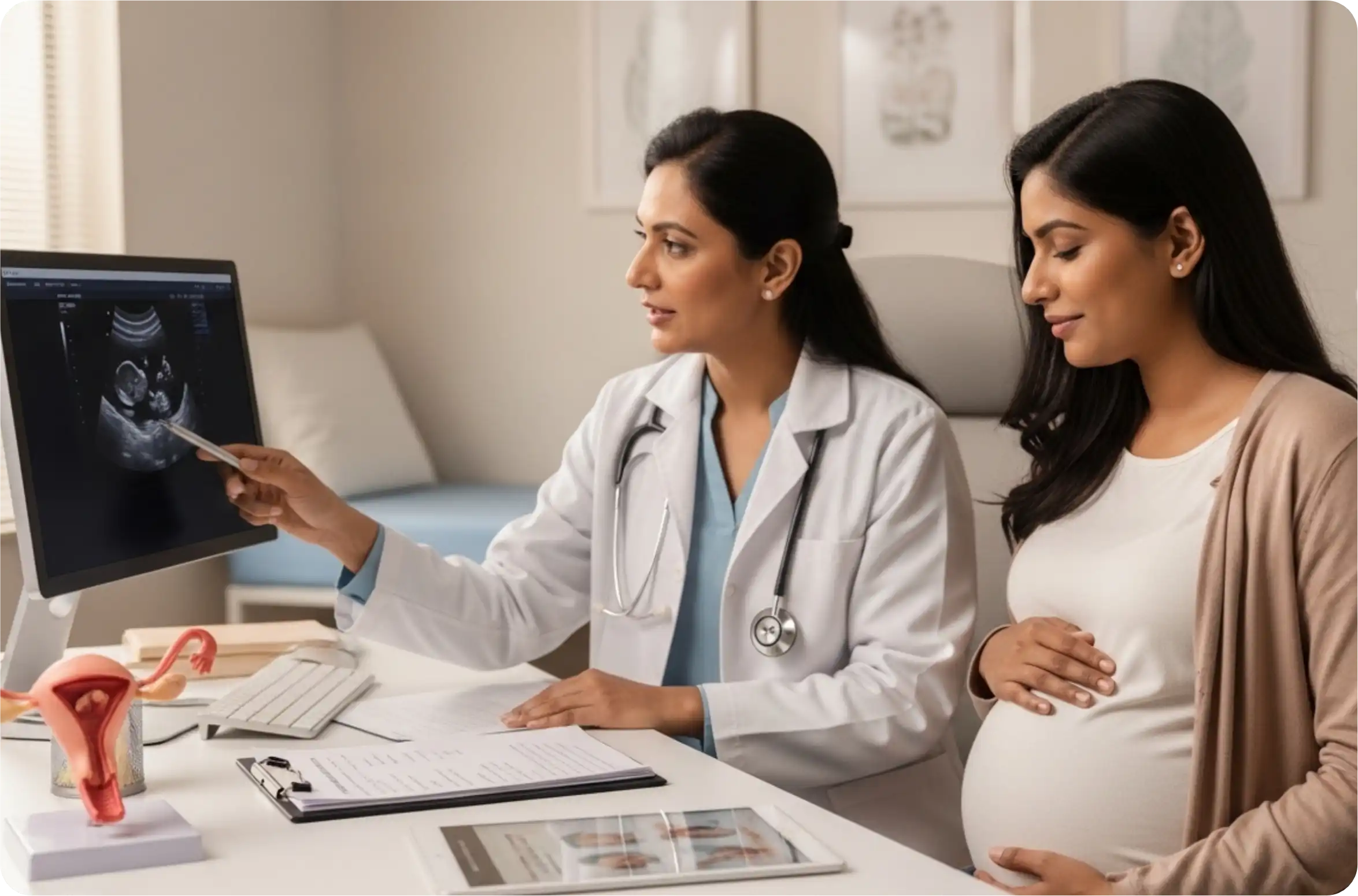
The hospital provides services for ultrasound, Doppler studies, CT scan, MRI and mammography. These investigations enable doctors to diagnose pregnancy complications, pelvic disorders, tumours and other gynaecological conditions more accurately. The availability of short-notice access to imaging facilities is particularly valuable in emergencies.

Obstetric ICU and HDU Service

Critically ill pregnant women may need intensive monitoring and advanced life support. The department has access to ICU and HDU facilities with ventilators, monitors and emergency care systems. Severe infections, eclampsia, heavy bleeding or organ failure in pregnancy can be managed with close monitoring and critical care support in women.

NICU Support for Newborns

The Neonatal Intensive Care Unit (NICU) cares for babies that need specialised care after birth. Trained neonatal teams look after premature babies, babies with low birth weight and babies with breathing difficulties. This means that both mother and baby are kept under constant medical observation after complicated deliveries.

Blood Bank 24 Hours Available

The blood bank is open throughout the day and night, with blood component facilities available as needed. This is of great importance in obstetric emergencies such as postpartum haemorrhage, rupture of ectopic pregnancy or emergency surgeries where quick blood transfusion can save lives.

Dedicated Operating Theatre

There are separate operating theatres for routine surgeries and emergency obstetric procedures. This helps in doing emergency surgeries without waiting for the availability of the OT. This configuration improves efficiency and reduces lag in time-sensitive situations.

Procedures

Normal vaginal deliveries are performed daily in the department. Mothers are closely monitored during labour, doctors and nursing staff stay involved during the labour to ensure the safety of the mother and baby. Assisted deliveries are also performed when necessary to prevent problems during birth.

The department carries out planned and emergency Caesarean sections on a regular basis. In some pregnancies surgery may be required because of fetal distress, prolonged labour, a history of previous C-section, or other complications in labour. Operation theatres and anaesthesia support are available round the clock, so that emergency procedures can be started without unnecessary delay.

The department manages high risk pregnancies like severe anaemia, high blood pressure, diabetes in pregnancy, thyroid disorder, eclampsia and preterm labour. These pregnancies require tight monitoring, frequent follow-ups and coordination between several specialists to minimize the risks to mother and child.

The first step in pregnancy care is regular antenatal check-ups where doctors monitor the growth of the fetus, maternal health, nutrition and the general progress of the pregnancy. Patients are also advised on medicines, diet and precautions during pregnancy. Postnatal care is the care you get after you have given birth. It focuses on recovery, support for breastfeeding, preventing infection and monitoring the health of the mother in the early recovery period.
 

The department is always prepared for pregnancy emergencies that require immediate medical attention. We routinely manage heavy bleeding after delivery, ectopic pregnancy, seizures in pregnancy, obstructed labour and sudden fetal distress. In such critical situations the team can act fast with emergency operation theatres, ICU support and blood bank services.
 

Some women may experience severe complications during pregnancy or after delivery and will require intensive monitoring. The department can provide ICU and HDU facilities for patients with severe infection, respiratory distress, shock or organ related complications. These patients are carefully monitored and treated by specialists until they are stable.
 

Hysterectomies are done for conditions like fibroids, abnormal bleeding from the uterus, prolapse and other gynecologic conditions. Depending on the condition of the patient, doctors may perform abdominal or vaginal hysterectomy. Adequate clinical assessment and investigation is followed by treatment planning.
 

D&C procedures are usually performed for diagnostic purposes, abnormal uterine bleeding, or management of incomplete abortion. The procedure allows doctors to better visualize conditions of the uterus and may provide relief with treatment in selected cases.
 

Department performs minimal invasive surgeries with laparoscopy and hysteroscopy techniques. These procedures are associated with smaller incisions, less pain and faster recovery than traditional surgery. They are used for ovarian cysts, fibroids, infertility work-up, abnormal bleeding, and some uterine conditions.

Women with irregular periods, heavy bleeding, fibroids, hormonal imbalance or pelvic pain are assessed and treated according to the cause. Depending on the severity of the condition, treatment may involve medicines, lifestyle advice or surgery.
 

The department offers basic infertility testing for couples who are having trouble conceiving. Doctors perform hormonal tests, ultrasound studies, and other tests to determine possible causes. Additional treatment options and reproductive health management are discussed with patients as well.
 

The department regularly carries out family planning procedures like tubectomy and insertion of IUCDs. It also offers counselling on spacing methods, contraception options, maternal health and family welfare.

Join our newsletter today to get the latest updates and easily manage your data more efficiently!
Newsletter Subscribe